Concrete Flooring: The Resilient and Attractive Solution for Today's Homes
Concrete flooring has become a practical choice for contemporary homes. Its blend of durability and visual versatility addresses common flooring challenges. Homeowners value its resistance to damage and humidity, as well as its range of elegant finish options. As they evaluate their alternatives, many begin to ask how they can further improve their home environments. What unique touches can transform a standard concrete floor into a statement piece?
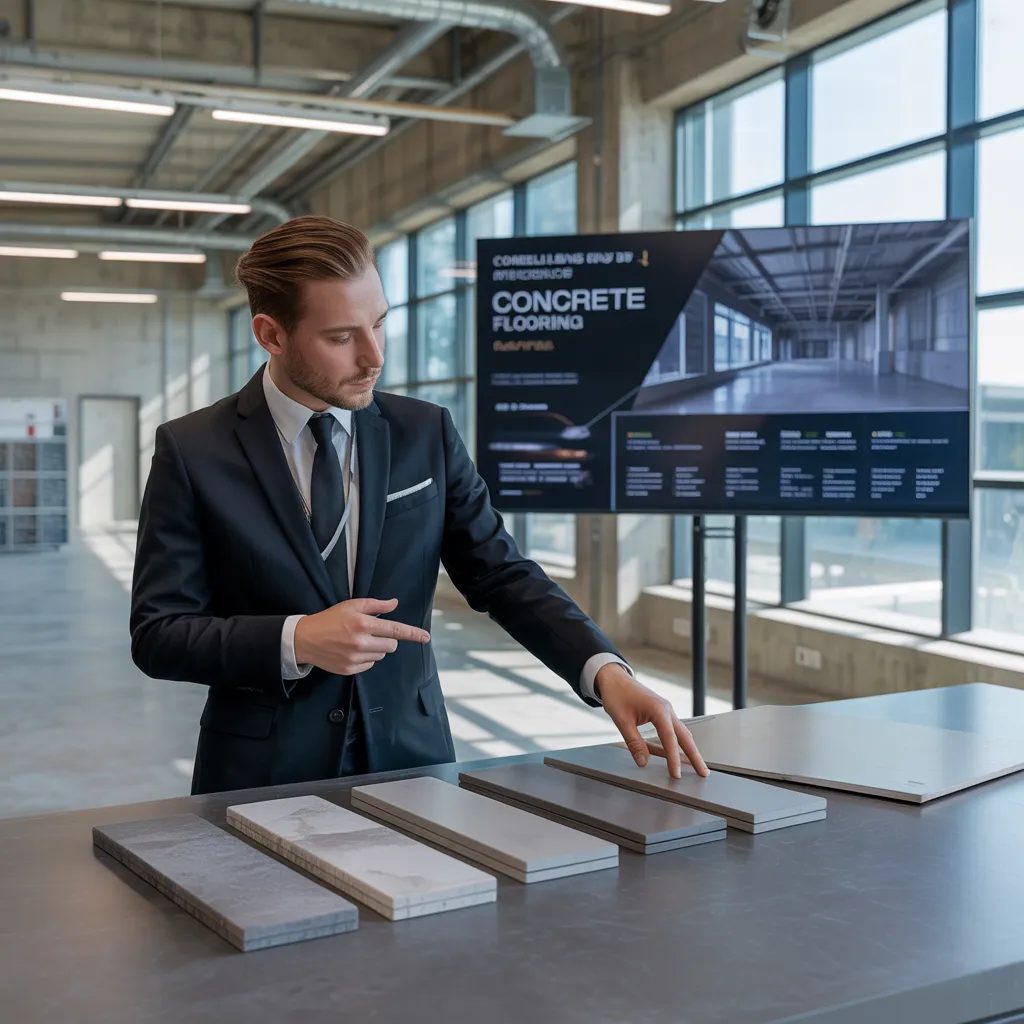
Solving Flooring Problems: Why Concrete Stands Out as the Solution
While many homeowners face challenges in selecting the right flooring, concrete stands out as a flexible option that resolves many common issues. Its strength is noteworthy, as concrete holds up well under heavy pedestrian use, rendering it an excellent option for areas with constant activity. In contrast to wood or carpet, concrete offers resistance against moisture, mold, and pests, offering a low-maintenance alternative that requires minimal upkeep. Additionally, concrete flooring is cost-effective in the long run, as it generally needs fewer fixes and substitutions when measured against standard flooring materials.
An additional key benefit is the energy efficiency it offers; concrete bounces light back, aiding in reducing energy costs associated with lighting. Additionally, its thermal capacity can regulate indoor temperatures, resulting in a greater degree of indoor comfort. These qualities establish concrete as a sensible option for modern homeowners in search of a balance between durability and practicality, successfully overcoming numerous typical flooring challenges.
Uncovering Stylish Finishes and Textures for Concrete Floors
Concrete flooring not only offers durability and low maintenance but also provides a canvas for creativity in design. A wide range of finishes and textures can be incorporated to elevate the visual appeal of concrete floors, rendering them ideal for a variety of interior styles. Polished concrete features a refined, lustrous surface that enhances the sophistication of modern interiors, while stamped concrete is capable of imitating natural elements like stone or wood, creating a warm and inviting aesthetic.
Moreover, acid staining produces deep, varied hues, elevating standard concrete into a visual showcase. For an enhanced textural appeal, decorative overlays can add exceptional motifs and textural elements, lifting the flooring past its ordinary state. Whether achieving a rustic charm or a contemporary edge, the wide range of finishes and textures ensures that concrete flooring can fulfill the unique design requirements of any residence, combining durability with aesthetics flawlessly.
Choosing the Right Color: Coloring Solutions for Concrete Floor Surfaces
Selecting the ideal shade for concrete flooring can greatly enhance the appearance of modern homes. Current color trends offer a variety of possibilities, while customization empowers homeowners to create a unique look designed for their taste. Understanding these choices is important for establishing a harmonious and welcoming environment.
Top Color Trends
As more homeowners look for distinctive and customized styles, the color choices for concrete flooring have expanded dramatically. Modern trends highlight a diverse range, ranging from earthy tones like warm browns and soft grays to dramatic shades including deep blues and intense reds. Neutral colors remain popular for their versatility, making them easy to integrate with diverse design components. Additionally, metallic coatings and textured finishes are growing in popularity, bringing depth and character to interiors. These options not only enhance the visual appeal of a home but also contribute to its overall ambiance. With such diverse choices, homeowners can conveniently identify the right shade to complement their individual style while taking advantage of the resilience of concrete flooring.
Customization Choices Available
When selecting the ideal hue for concrete floors, homeowners often uncover a wealth of customizable possibilities that cater to their individual tastes. Several methods, such as dyeing, staining, and integral coloring, provide a spectrum of shades from subtle pastels to rich tones. Moreover, property owners can select from satin and glossy finishes, greatly improving the visual appeal. Decorative patterns and textures can also be added, adding depth and character to the room. For homeowners desiring a more natural look, grays and earth tones replicate stone or wood, while current trends may feature bolder colors. At the end of the day, the versatility of color choices guarantees that each concrete floor can be a authentic representation of the property owner's style and vision.
How to Preserve the Look of Your Concrete Floors
Maintaining the immaculate appearance of concrete floors demands additional info regular upkeep and maintenance. Consistent sweeping and vacuuming is essential to eliminate dirt and debris that can mar the surface. Cleaning with a pH-balanced solution effectively removes stains without damaging the floor's surface. For stubborn stains, a combination of baking soda and water can be beneficial; however, strong chemical agents should be avoided to protect the concrete's integrity.
Applying a sealant every couple of years improves the floor's durability and shine, protecting it from wear and spills. In heavily used areas, placing area rugs can further safeguard against surface damage. In addition, handling spills quickly stops staining and upholds the floor's aesthetic appeal. Regular inspections for cracks or damage will detect concerns before they worsen, ensuring the concrete remains a long-lasting feature of the home. By following these straightforward maintenance steps, concrete floors can keep showcasing their beauty and strength.
Breaking Down the Costs of Concrete Flooring?
How much should homeowners expect to invest in concrete flooring? Expenses can differ greatly based on elements such as the chosen finish, the intricacy of the installation process, and geographic pricing differences. Typically, homeowners can plan on budgeting between $2 to $12 per square foot. Plain concrete flooring represents the least expensive solution, while ornamental finishes, including stained or polished concrete, can drive up the total expense.
Additional costs may result from preparatory work, including sealing and leveling, which can contribute $1 to $5 per square foot. Furthermore, labor expenses, generally falling between between $3 and $7 per square foot, are a key factor in the total investment. It is also important for homeowners to consider long-term savings associated with concrete flooring, such as reduced maintenance and durability, which can offset initial costs over time. Recognizing these elements is critical for making well-informed financial choices when it comes to concrete flooring options.
Creative Concrete Flooring Options to Transform Your Home
Concrete flooring presents countless remarkable options that can revitalize any space. Distinctive design styles and custom color selections enable homeowners to tailor their floors to reflect unique preferences, while sustainable finishing approaches deliver green alternatives. These elements combine to create visually striking and environmentally conscious interiors.
Original Design Patterns
Enhancing floors with distinctive design patterns can upgrade the appearance of any contemporary home. Concrete flooring offers a versatile canvas for creative expression. Geometric forms, like chevrons and herringbones, bring a current aesthetic, while rounded motifs can produce an impressive centerpiece. Stenciled designs allow homeowners to customize their space with intricate details, enhancing visual interest. Additionally, polished concrete can incorporate textures that mimic natural stone or wood, providing an elegant yet durable surface. For a more creative touch, decorative overlays can bring artistic components, converting everyday spaces into visually stunning works of art. By leveraging these unique design patterns, homeowners can achieve a distinctive look that complements their personal style and enhances the overall ambiance of their living environment.
Color Personalization Options
What shades can genuinely elevate an interior? Concrete flooring presents an adaptable surface for creative color choices, empowering homeowners to reflect their individual aesthetic. Ranging from warm earthy shades like terracotta and sandy beige to bold tones such as cobalt blue or deep crimson, the possibilities are endless. Staining applications introduce delicate distinctions within one color, generating dimension and character. To achieve a contemporary look, homeowners can opt for polished finishes in cool grays or whites, amplifying natural light and an open feel. Furthermore, supplementary color elements, such as colored aggregates or metallic pigments, deliver a distinctive touch. Through careful color selection, concrete flooring can enhance any space, blending with existing decor while introducing a modern element.
Green Finishing Techniques
While many homeowners seek aesthetic appeal, green finishing approaches for concrete flooring equally focus on sustainability. As an illustration, water-based sealers minimize harmful fumes relative to traditional solvent-based products. Additionally, natural pigments provide vibrant color without the environmental impact of synthetic dyes. Repurposed materials, including glass or metal fragments, can be blended into the concrete mixture, boosting visual appeal while reducing waste. Techniques like acid staining not only achieve unique designs but also use less harmful chemicals than conventional methods. Finally, polishing concrete enhances its durability, reducing the need for frequent replacements. Embracing these environmentally friendly methods not only produces stunning flooring but also promotes a cleaner, more sustainable home environment.
Frequently Asked Questions
Is Concrete Flooring Suitable for Outdoor Use?
Concrete flooring is indeed suitable for outdoor use, delivering exceptional durability and resilience against the elements. Its flexibility supports numerous surface finishes, making it an attractive choice for patios, walkways, and outdoor living spaces.
Is It Possible to Install Concrete Flooring on My Own?
Absolutely, an individual can lay concrete flooring by themselves, provided they possess the necessary knowledge, skills, and tools of the installation process. It's essential to follow proper techniques to secure a long-lasting and visually appealing end result.
How Does Concrete Stack Up Against Hardwood Flooring?
Concrete flooring offers outstanding longevity and easy maintenance compared to hardwood. Nevertheless, hardwood provides a warm and attractive appearance. Ultimately, the decision is based on personal taste, financial considerations, and the intended purpose of the area.
Do Eco-Friendly Options Exist for Concrete Flooring?
Indeed, there are environmentally friendly choices available for concrete flooring. These solutions include reused materials, environmentally safe sealants, and eco-conscious production methods, all of which contribute to decreasing ecological impact without compromising durability and aesthetic appeal in contemporary design.
How Long Do Concrete Floors Last?
Concrete flooring generally has an expected lifespan of 30 to 50 years, depending on factors such as installation quality, maintenance, and environmental conditions. With proper care, they can last even longer, making them a durable flooring option.